


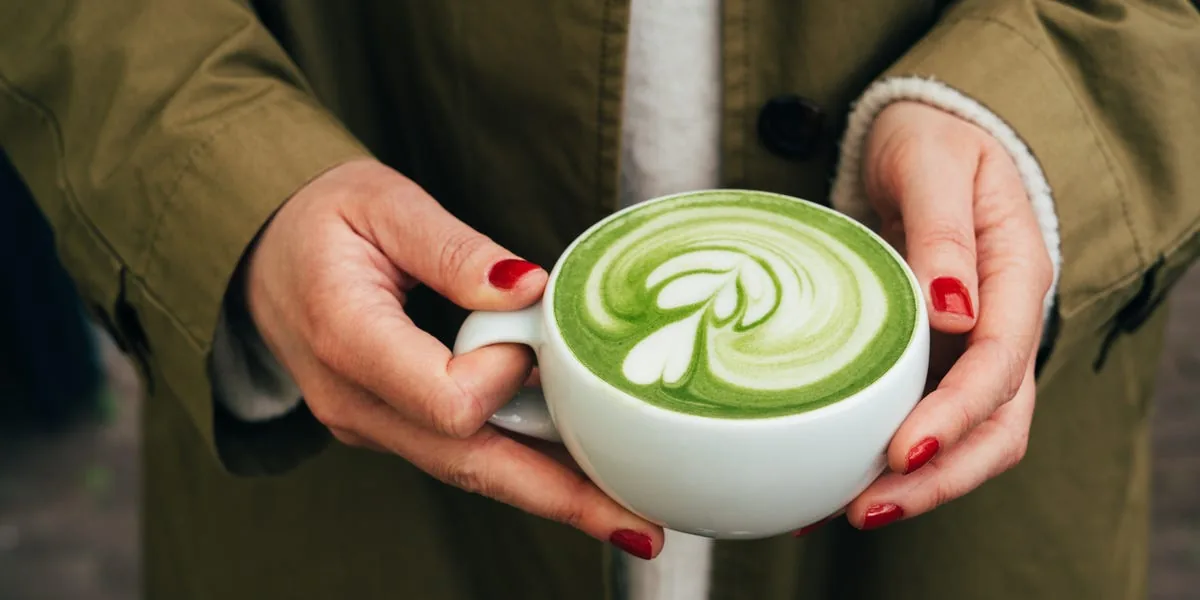
NEW YORK, NY — A dietitian spent a week replacing one daily cup of coffee with matcha and came away with a simple takeaway: the green tea gave a smoother lift. Instead of the quick jolt and occasional jitters that can come with coffee, she found matcha produced a steadier sense of focus through the afternoon.
The experiment did not turn her into a full-time matcha drinker, and she still preferred coffee’s flavor. But the trial highlighted why matcha has built a following in the United States, especially among people looking for a calmer caffeine option that also feels like a small daily ritual.
What Matcha Delivers
In the piece, the dietitian says she chose ceremonial-grade matcha made from organic leaves sourced from Japan and looked for powder with matcha as the only ingredient. She also learned to whisk it with a bamboo chasen, the traditional tool used to create the frothy drink many people associate with matcha preparation.
She notes that a typical one-gram serving, or about half a teaspoon, contains catechins, including epigallocatechin gallate, better known as EGCG, along with L-theanine and roughly 25 to 75 milligrams of caffeine depending on how much powder is used. That mix is what gives matcha its reputation for calm alertness rather than a hard caffeine spike.
She also warns that matcha-flavored products are not the same thing as actual matcha. If a product does not contain real matcha powder, it will not deliver the same nutrients or the same potential benefits.
Why People Stick With It
The article points to several reasons matcha has remained popular beyond flavor. The dietitian describes the drink as a source of steady energy, which may be easier to handle for people who do not like coffee’s sharp rise and fall. She also cites its antioxidant profile, which includes compounds tied to skin health, stress support, and broader wellness goals.
Matcha’s cultural background matters too. The drink has been central to Japanese tea ceremony traditions for centuries, and the author says preparing it felt like a mindful pause in the middle of a busy day. For her, the process of whisking the tea and watching the green foam form became part of the appeal, even though the taste itself stayed earthy and challenging.
Who Should Be Careful
The author says matcha is not a good fit for everyone. People who are highly sensitive to caffeine may want to start with a very small amount or avoid it altogether. She also says she personally stopped drinking it after 1 p.m. so it would not interfere with sleep.
Pregnant and breastfeeding people should pay attention to total caffeine intake and check with a healthcare provider before adding matcha regularly. The article also notes that, because matcha uses the whole leaf, it may contain trace amounts of lead absorbed from the environment. The levels are generally low for most adults, but the author says that is another reason for caution during pregnancy and for young children.
For readers who want to try it, the practical advice is straightforward: look for real matcha powder, not just a flavored product, and decide whether the taste and the gentler lift are worth the tradeoff. The dietitian says she will keep a tin on hand for days when she wants a calm boost, even if it never replaces coffee for good.
More places to eat and things worth cooking, on West Bullseye.