


ATLANTA, GA — Beef tallow is showing up again in professional kitchens and home pantries, and chefs say potatoes are one of the best places to notice the difference. The fat, usually rendered from cattle, is being praised for the way it handles high heat while giving food a richer, more savory finish.
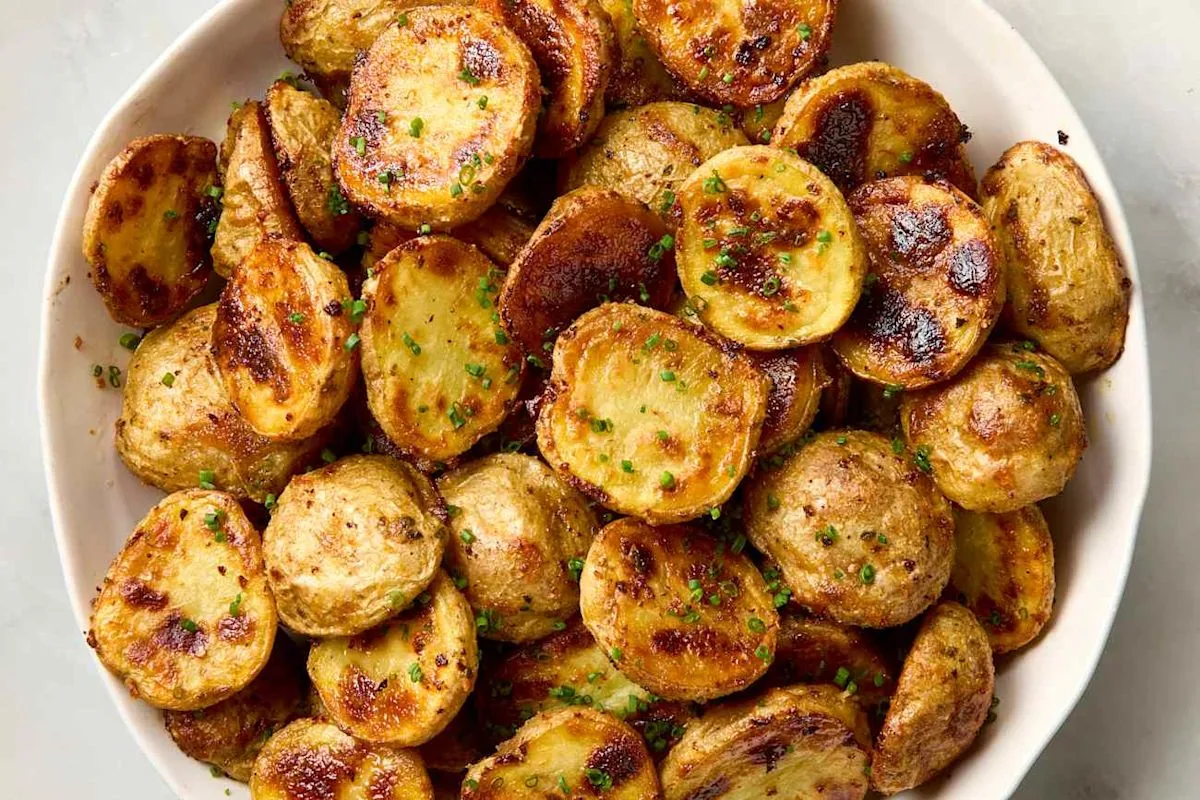
That renewed interest comes from cooks looking for traditional ingredients and less-processed staples. For potatoes, the appeal is simple: tallow helps create a crisp exterior while keeping the inside tender, whether the potatoes are roasted, smashed, or fried.
How Tallow Works
Tallow is valued because it can stand up to searing, grilling, frying, and roasting without breaking down quickly. Alysa Seeland of FOND Regenerative says its high smoke point makes it especially useful for hot cooking, while Catherine Lane of South Chicago Packing says it helps lock in juiciness and build a strong crust.
Chefs also describe the flavor as more layered than neutral oil. Bob Ryan, executive chef of Little Sparrow and Bar Blanc, says it brings a buttery savoriness with a clean finish. Depending on how it is made, it can taste richer if it comes from beef trim or more neutral if it is made from suet.
Why Chefs Use It
The fat is not just about texture. In restaurants, it can support a no-waste approach by turning beef trim into a usable cooking ingredient. Ryan says that makes sense both for flavor and for reducing waste, especially in kitchens that render their own tallow regularly.
Some producers are also making it easier for home cooks to try. FOND sells plain tallow along with flavored versions such as Rosemary & Pink Peppercorn, Chili Pepper & Garlic, and Turmeric & Black Pepper. South Chicago Packing also offers a Wagyu Beef Tallow Spray for light coating in pans, on vegetables, or on bread for sandwiches.
Best Ways To Use It
Chefs recommend tallow for potatoes in almost any form. It can be spooned over potatoes before roasting, used for smashed potatoes, or heated in a pan for frying. The key is to coat the food evenly once the fat melts so the surface browns properly.
Beyond potatoes, cooks use it for eggs, vegetables, refried beans, tortillas, steaks, smashburgers, and even shrimp. Christopher Cofiño of Auld Alliance in Georgia says tallow is versatile enough for frying, searing, roasting, and confit, which is why it keeps appearing in both rustic and more polished dishes.
More places to eat and things worth cooking, on West Bullseye.